
Decaf, Explained
Decaf coffee is processed to remove most—but not all—of its caffeine. Different methods use water, carbon dioxide, or approved solvents, and flavour depends on the coffee and process.
Decaffeinated coffee is made by removing most of the caffeine from green coffee beans before roasting. Common approaches use water-based processes, carbon dioxide, or solvents under controlled conditions. The goal is to reduce caffeine while preserving as much of the coffee's desirable flavour compounds as possible.
Decaf is not necessarily caffeine-free; small amounts can remain, and levels vary by product and serving. Flavour also varies with bean quality, decaffeination process, roast, and brewing. If you are sensitive to caffeine, check product information and discuss individual medical concerns with a qualified professional. Decaf can be brewed using the same general methods as regular coffee.
Step by Step
Step 1: Choose a decaf coffee from a roaster you trust.
Choose a decaf coffee from a roaster you trust.
Step 2: Check the package for processing or sourcing details.
Check the package for processing or sourcing details.
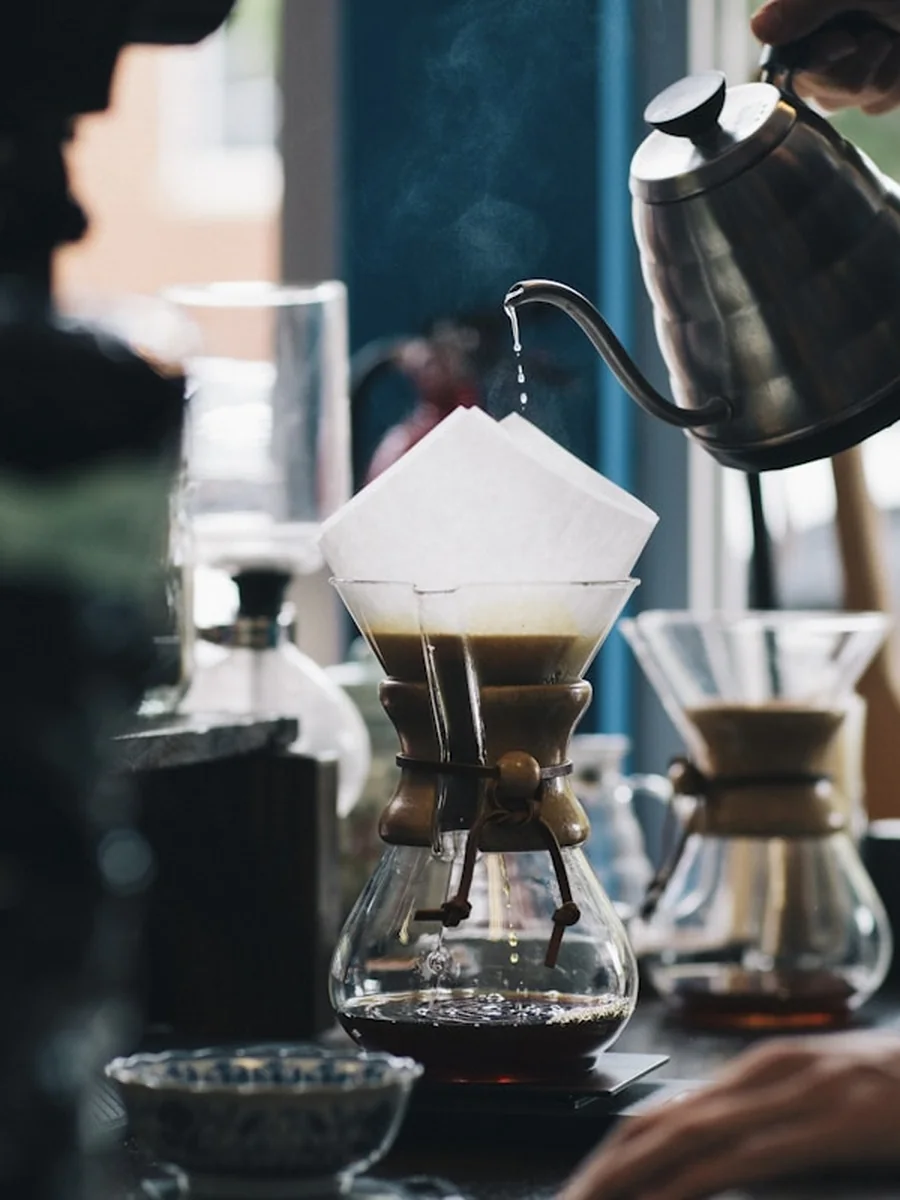
Step 3: Grind and brew using your usual method.
Grind and brew using your usual method.
Step 4: Adjust the recipe to taste, just as you would with regular coffee.
Adjust the recipe to taste, just as you would with regular coffee.