
The Kapi Classroom
Learn the Art of
South Indian Coffee
From understanding roast profiles to mastering the brass filter pour — everything you need to brew like a true South Indian.
Know Your Roast
Understanding Roast Profiles
The same bean tells a completely different story depending on how it's roasted. Here's how to read the spectrum and find the roast that speaks to you.
Lightest
Light
Medium
Dark
Darkest

196–205°C
Roast Temperature
Light Roast
"The one that lets the bean speak"
Roasted just past the first crack. The lightest body with the highest acidity.
This roast preserves the origin characteristics — you'll taste the terroir of the
estate, the altitude, the soil. It's coffee at its most transparent and complex.
Flavor Notes
Citrus, Floral, Jasmine, Bright Fruit
Body
Acidity
High — bright and lively
Caffeine
Highest of all roasts
Best for: Pour Over, Cold Brew, AeroPress

210–220°C
Roast Temperature
Medium Roast
"The heart of South Indian filter coffee"
The sweet spot. Roasted between first and second crack, this is the backbone of
traditional South Indian filter coffee. Rich enough to stand up to milk, nuanced
enough to appreciate black. The perfect all-day kapi.
Flavor Notes
Chocolate, Caramel, Toffee, Nutty
Body
Acidity
Balanced — sweet and smooth
Caffeine
Moderate
Best for: South Indian Filter, Drip, French Press

225–235°C
Roast Temperature
Dark Roast
"Bold, intense, unapologetically strong"
Pushed past the second crack. The oils surface, the body becomes full and heavy,
and the flavor is dominated by the roast itself — smoky, bold, and bitingly intense.
This is the decoction your grandfather made at 5 AM.
Flavor Notes
Smoke, Dark Chocolate, Charred Wood, Pepper
Body
Acidity
Very low — thick and heavy
Caffeine
Lowest (burned off in roasting)
Best for: Espresso, Strong Filter Decoction, Moka Pot
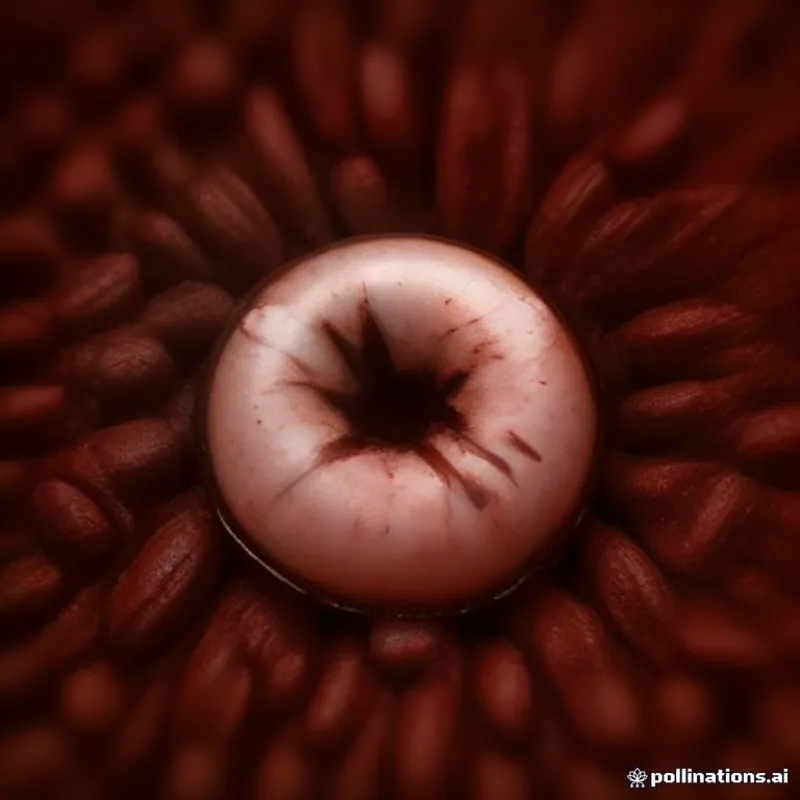
Monsoon-Exposed
Natural Process
Monsoon Malabar
"A roast found nowhere else on Earth"
Not a conventional roast — it's a process. Green beans are exposed to monsoon
winds and moisture on the Malabar coast for 12–16 weeks. The beans swell, lose
acidity, and develop an unmistakable earthy, musty, spicy character unique to India.
Then medium-roasted to preserve the monsoon magic.
Flavor Notes
Earthy, Spice, Tobacco, Musty Sweet
Body
Acidity
Almost none — smooth and mellow
Origin
Malabar Coast, Kerala
Best for: Filter Coffee, Espresso, French Press
Master the Method
Brew Techniques
The right technique can transform the same coffee into completely different experiences. Here are the four methods we swear by.
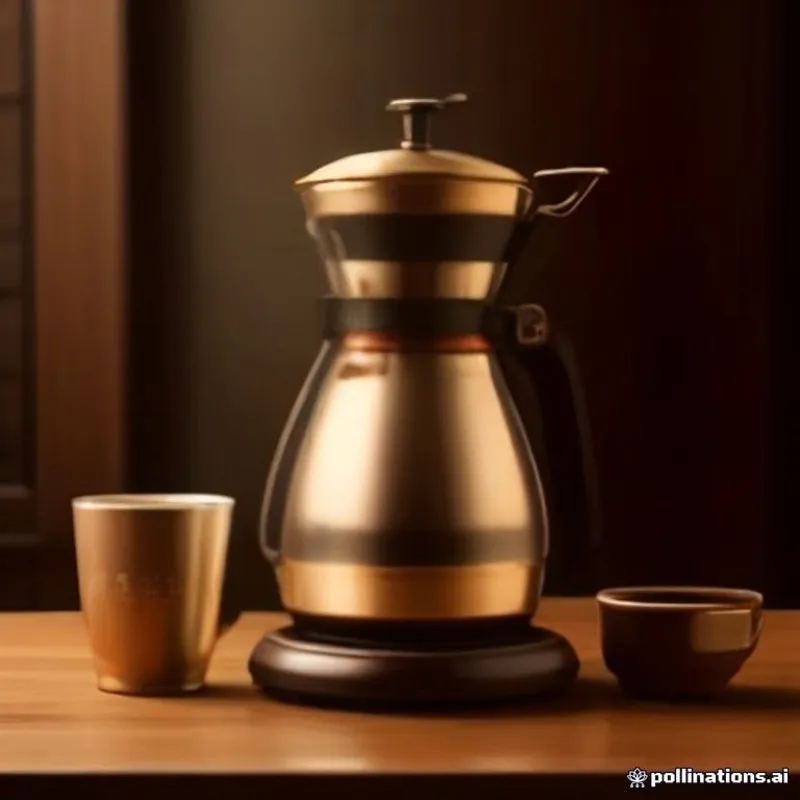
Traditional
The Original
South Indian Brass Filter
Patience is the secret ingredient. Gravity does the rest.
15 minBrew time
BoilingWater temp
Fine grindConsistency
How to Brew
1
Pack 3 tablespoons of fine-ground coffee into the upper chamber of the brass filter. Press gently with the plunger — firm but not too tight.
2
Pour boiling water to the brim. Close the lid and wait 10–15 minutes. Gravity pulls the decoction through into the lower chamber.
3
Mix 2 tablespoons of decoction with hot milk and jaggery (or sugar) to taste. Pour between davara and tumbler 3–4 times to froth and cool.
Best roast:
Medium Roast or Monsoon Malabar
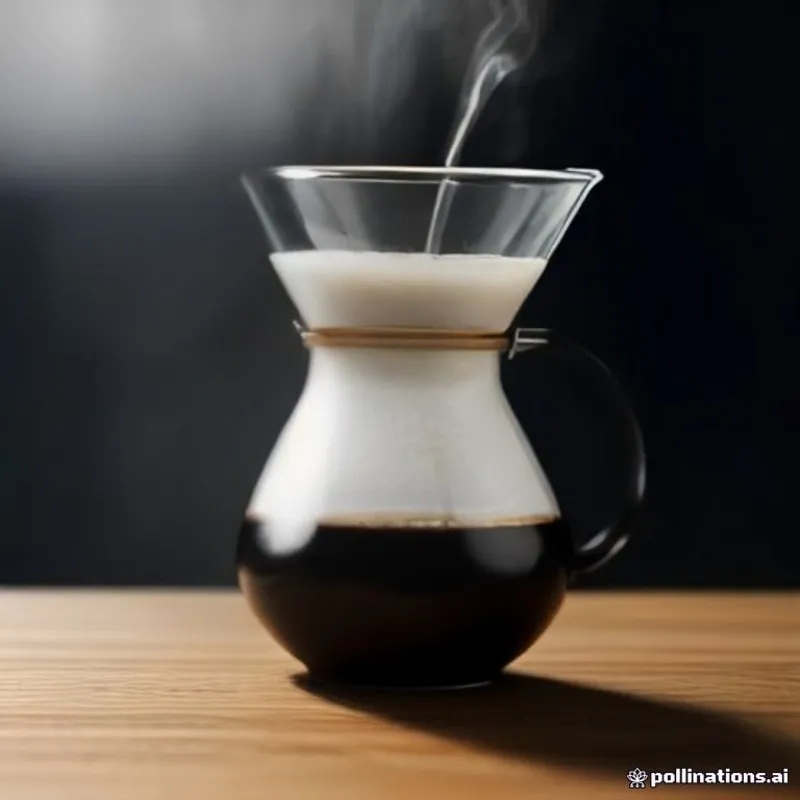
Modern
The Slow Ritual
Pour Over
A slow, meditative pour that extracts bright, clean flavors.
4–5 minBrew time
92–96°CWater temp
Medium grindConsistency
How to Brew
1
Place a paper filter in the dripper and rinse with hot water. Add 15g of medium-ground coffee. Start your timer.
2
Pour 30ml of water in a slow spiral to bloom the grounds. Wait 30 seconds. The coffee will bubble and release CO2 — that's freshness.
3
Continue pouring in slow, concentric circles until you reach 250ml total. Let it drip through completely. Should finish around 4 minutes.
Best roast:
Light Roast Single Origin

Patient
The Overnight Wait
Cold Brew
12 hours of patience. Zero bitterness. Maximum smoothness.
12–18 hrsBrew time
Room / FridgeTemperature
Coarse grindConsistency
How to Brew
1
Combine 100g of coarsely ground coffee with 600ml of cold or room temperature water in a jar. Stir gently to ensure all grounds are wet.
2
Cover and let it steep for 12–18 hours. Room temperature for bolder flavor, refrigerated for a cleaner, mellower taste.
3
Strain through a fine mesh or cheesecloth. Dilute the concentrate 1:1 with cold water or milk. Serve over ice. Keeps for 2 weeks refrigerated.
Best roast:
Light Roast or Medium Roast

Intense
The Concentrated Shot
Espresso
High pressure, fine grind, 25 seconds of pure intensity.
25–30 secExtraction
90–96°CWater temp
Very fineConsistency
How to Brew
1
Dose 18g of very finely ground coffee into the portafilter. Distribute evenly and tamp with firm, level pressure (~15kg).
2
Lock the portafilter and start the shot. Water at 9 bars of pressure should produce a slow, honey-like stream — not gushing, not dripping.
3
Aim for 36ml of espresso in 25–30 seconds. The crema should be golden-brown and thick. Drink immediately or use as a base for milk drinks.
Best roast:
Dark Roast or Monsoon Malabar
At a Glance
Roast × Method Cheat Sheet
| Brew Method | Grind Size | Water Temp | Time | Best Roast | Strength |
|---|---|---|---|---|---|
| South Indian Filter | Fine | Boiling (100°C) | 10–15 min | Medium | Strong (with milk) |
| Pour Over | Medium | 92–96°C | 4–5 min | Light | Mild to Medium |
| Cold Brew | Coarse | Room / Cold | 12–18 hrs | Any | Smooth, Low Acid |
| Espresso | Very Fine | 90–96°C | 25–30 sec | Dark | Very Strong |
| French Press | Coarse | 93–96°C | 4 min | Medium | Full Body |
| Moka Pot | Fine-Medium | Stovetop steam | 5–6 min | Dark | Espresso-like |
Ready to Put It to Practice?
Pick a roast, pick a method, and brew your perfect kapi.
Shop Our Coffee