

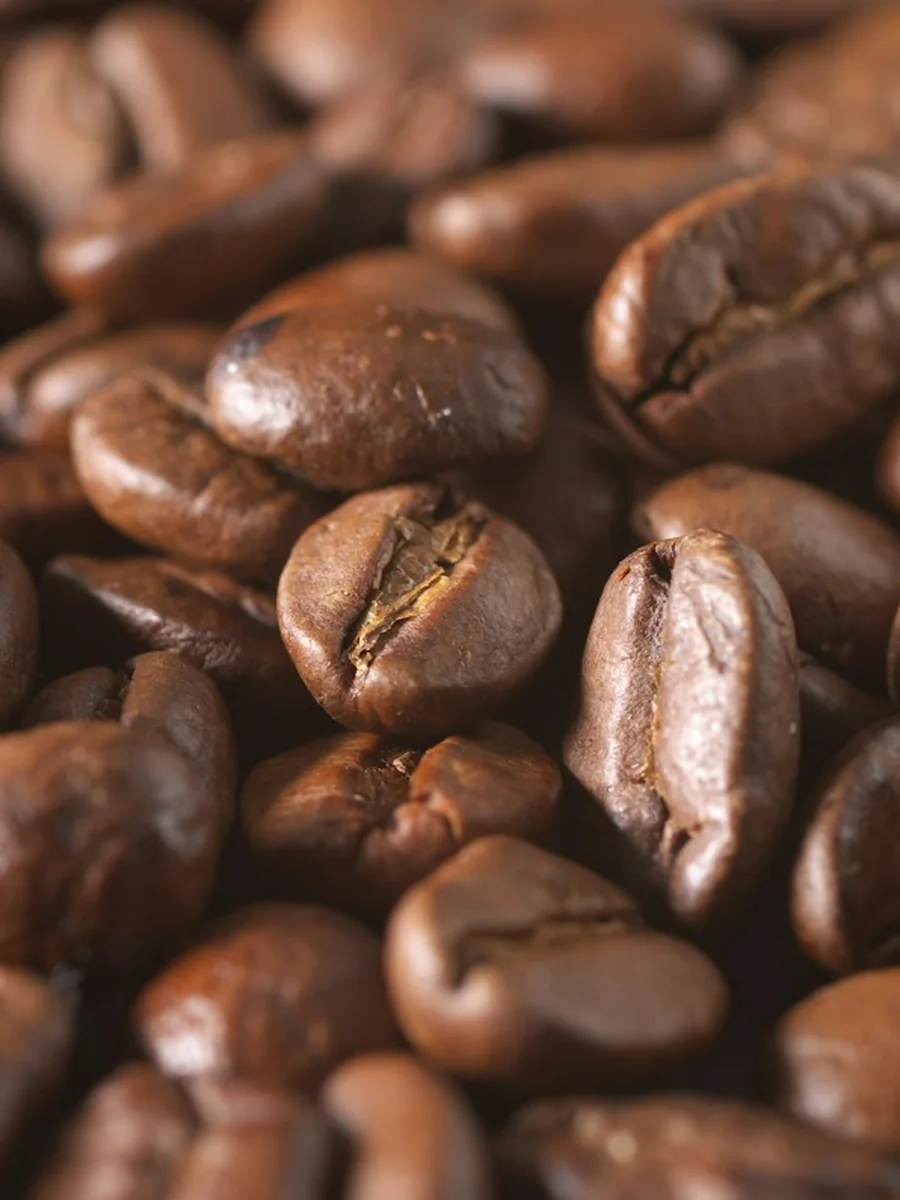
Grind Size Matters
Fine grounds extract faster than coarse grounds. Match grind size to your brewer, aim for consistency, and adjust gradually based on whether the cup tastes sour, bitter, weak, or balanced.
Grind size affects how quickly water extracts flavour from coffee. Fine grounds expose more surface area and generally extract faster, while coarse grounds slow extraction. The ideal setting depends on the brewer, filter, coffee, and recipe. Espresso typically needs a fine grind; French press uses coarse grounds; pour-over often sits between them.
Consistency matters as much as the exact setting. A grinder that produces a wide range of particle sizes can make extraction uneven. Use a baseline recommended for your brewer, then change one step at a time. If a cup tastes sharply sour or underdeveloped, a finer grind may help; if it tastes harsh or drying, try coarser. These are starting clues, not absolute rules.
Step by Step
Step 1: Identify your brewing method.
Identify your brewing method.
Step 2: Start with its commonly recommended grind range.
Start with its commonly recommended grind range.
Step 3: Brew using a consistent coffee-to-water ratio.
Brew using a consistent coffee-to-water ratio.
Step 4: Adjust one grind step at a time and note the result.
Adjust one grind step at a time and note the result.